Unnab (Jujube) and Sharbat Unnab: Traditional Uses and How to Take Them
Unnab is the small, wrinkled, red-brown dried fruit of the jujube tree (Ziziphus jujuba). It looks a little like a dried date and tastes mildly sweet. In Unani medicine it is one of the most used fruits for the chest and throat.
Traditional uses
Hakeems use unnab mainly for:
- Dry cough and sore throat, often together with sapistan, gaozaban and banafsha (it is a key part of joshanda)
- Heat in the blood — skin rashes and pimples in Unani terms, usually in combination with other herbs
- A calm mind and better sleep — jujube is also used in Chinese medicine as a gentle calming fruit
How it is used at home
- Unnab tea: boil 5–7 dried unnab in 2 cups of water until 1 cup remains, strain and drink warm.
- With other herbs: added to joshanda or to home cough nuskhas.
- Sharbat Unnab: a ready syrup — usually 2 teaspoons (10 ml) in a glass of warm water, 2–3 times a day for adults, or as the label says. We stock Hamdard and Aftab Qarshi.
Unnab in khamiras
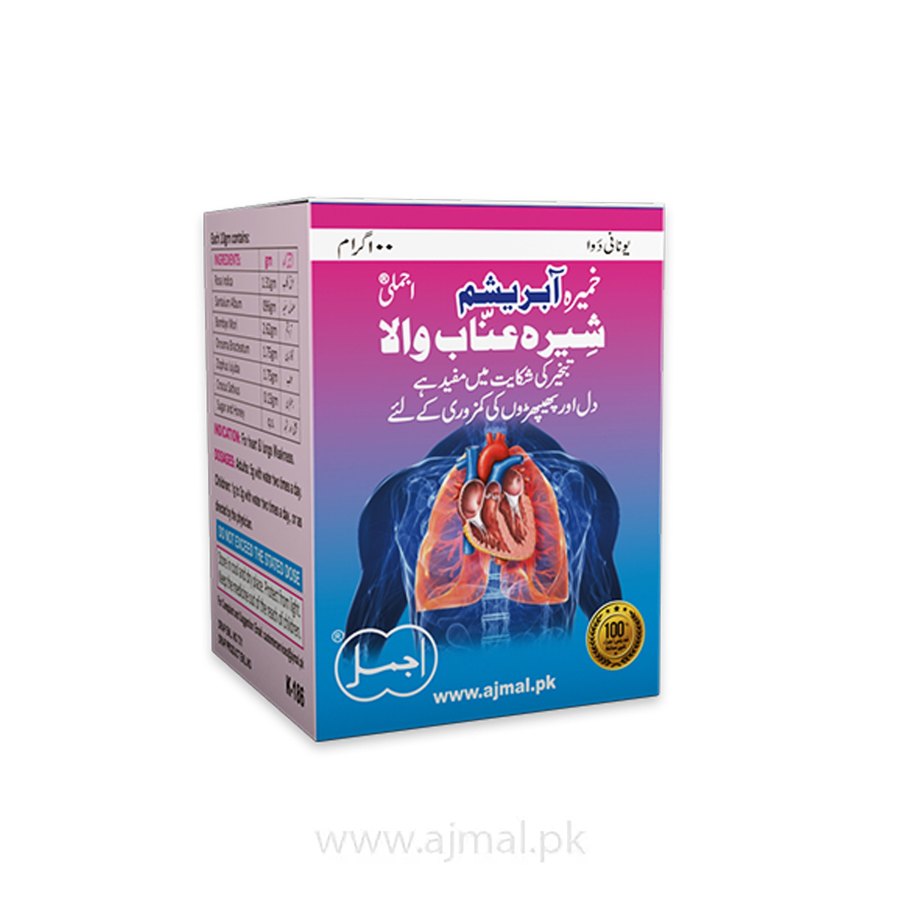
Unnab is also part of some khamiras, such as Khamira Abresham Shira Unnab, which hakeems give as a heart and mind tonic.
Buying good unnab
Good Irani unnab is deep red-brown, slightly soft and not dusty. Very hard, pale or insect-damaged fruit is old.
Who should be careful
Sharbat Unnab and khamiras contain a lot of sugar — people with diabetes should ask their doctor first. Pregnant and breastfeeding women and small children should take advice before regular use.
Summary
Unnab is a gentle, traditional fruit for the throat and chest in winter. Use it as tea or as Sharbat Unnab for a few days, and see a doctor if a cough does not settle.

Hakeem Ali Raza
Fazil-ut-Tib Wal Jarahat (FTJ) · Registered With Punjab Health Care Commision
✅ Registered — National Council For Tibb ,Pakistan · Reg. No. QH-30930-A
View profile & certificates →
Ask Hakeem Ali Raza — book a consultation or send us a WhatsApp message.
This article is for general information about traditional herbal use. It is not a substitute for medical advice. If you are pregnant, breastfeeding, taking regular medicines or have a long-term illness, ask your doctor or hakeem first.