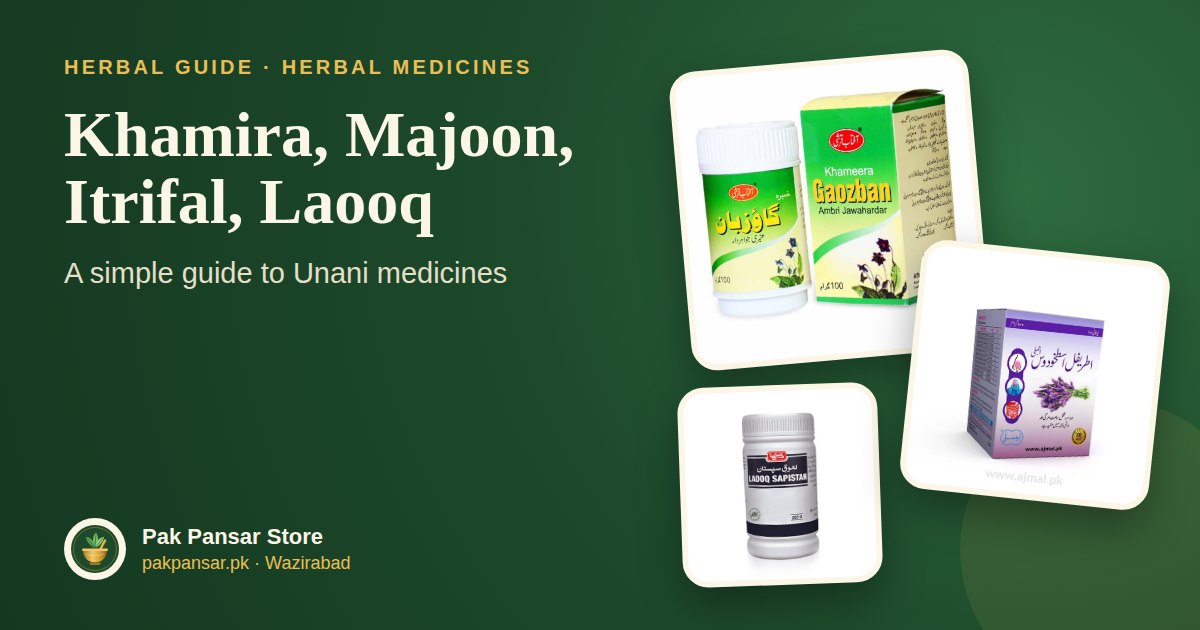
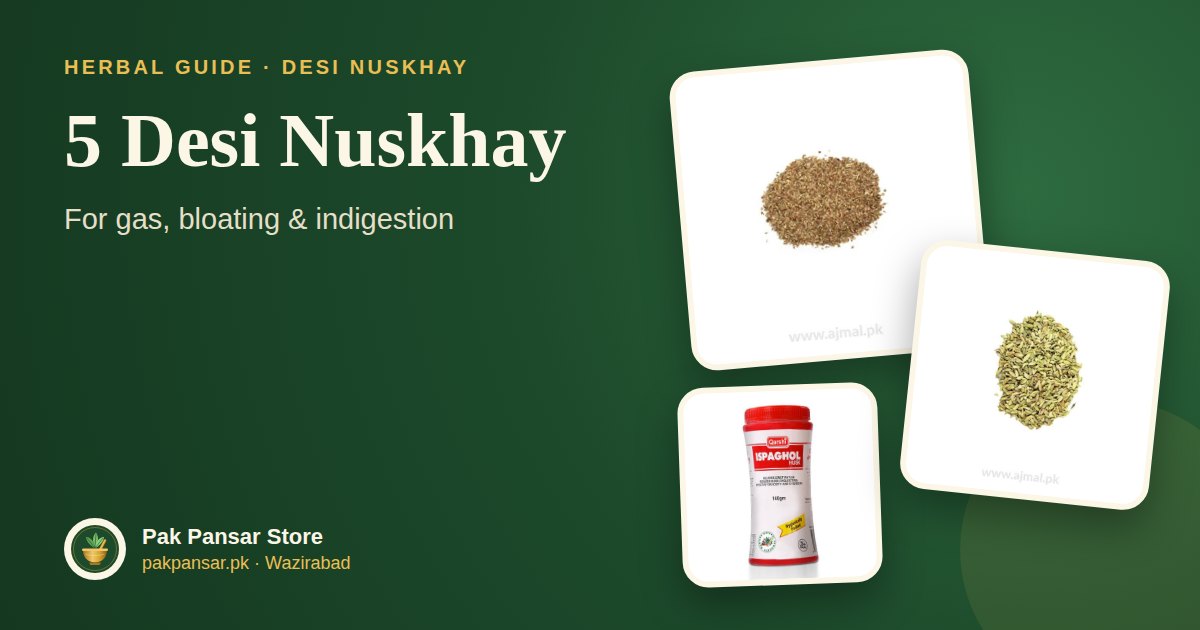
Kalonji (Black Seed): Benefits, Uses and How Much to Take
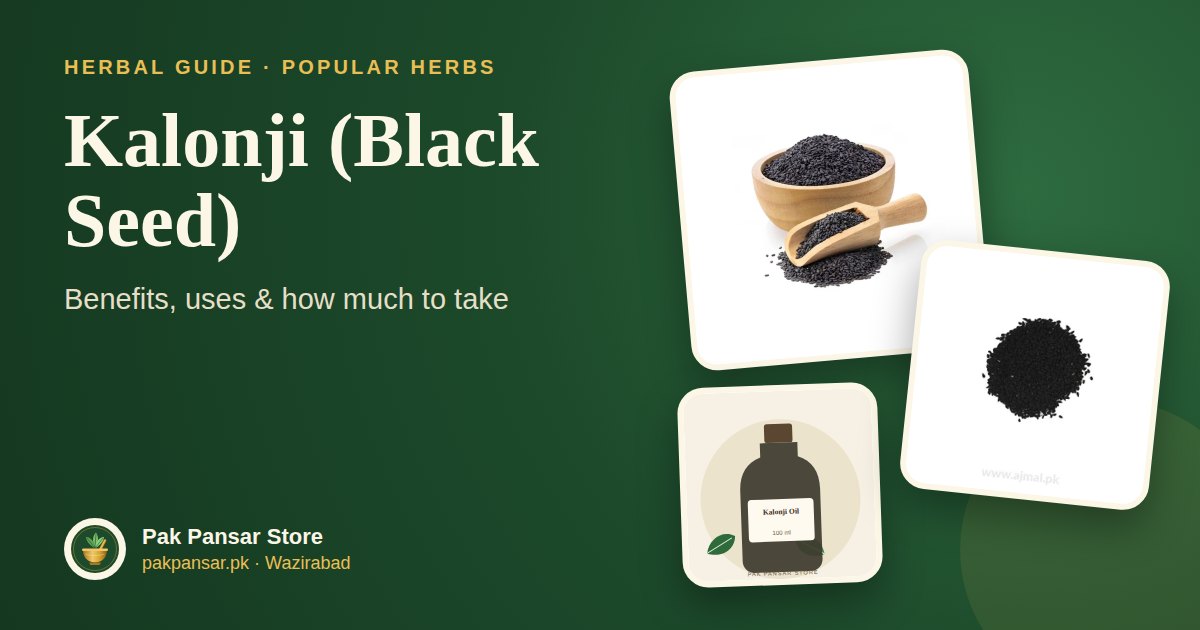
Few herbs are as loved in Pakistani homes as kalonji. It is sprinkled on naan, added to achar, taken with honey in the morning and rubbed into hair as oil. For Muslims it holds a special place because of the well-known hadith describing black seed as a cure for every disease except death. In this article we explain what kalonji is, what it is traditionally used for, what modern research says, and how to use it sensibly.
What exactly is kalonji?
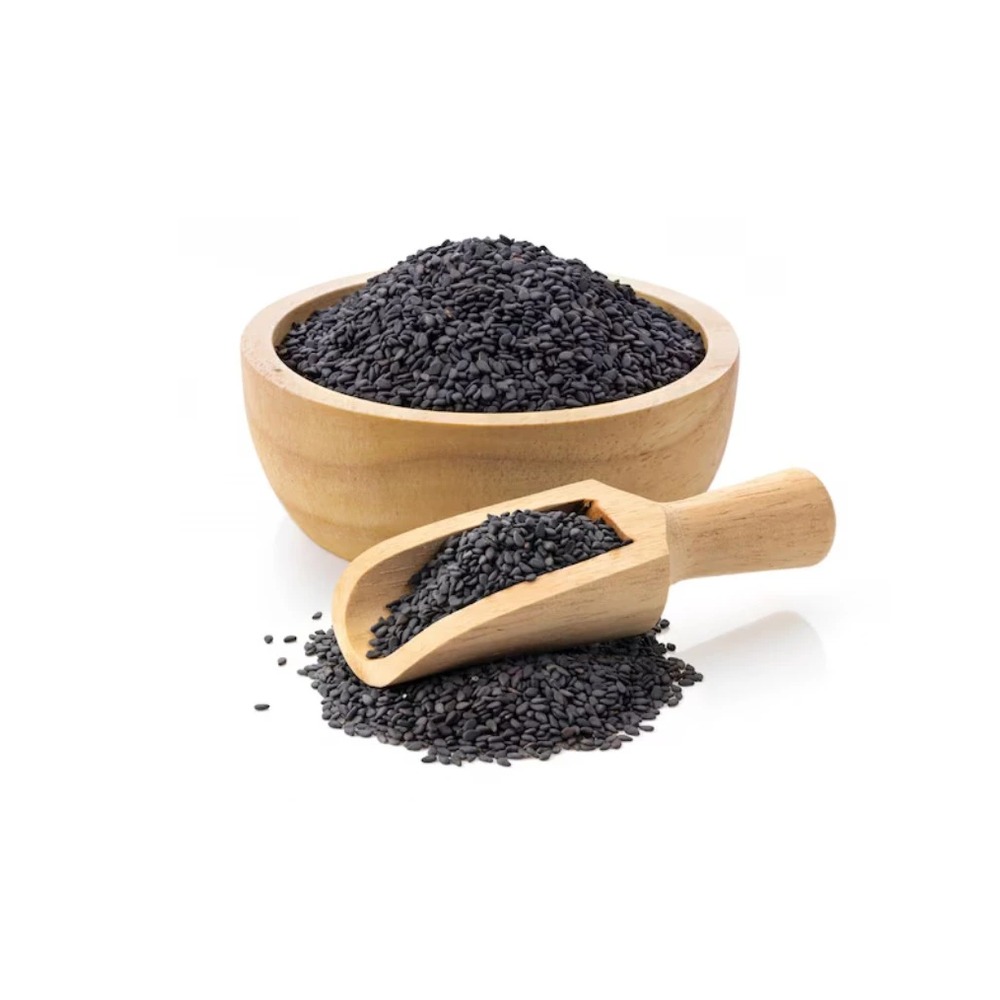
Kalonji is the small, black, tear-shaped seed of the Nigella sativa plant. In English it is called black seed or nigella, and in Arabic habbat-ul-barakah — the blessed seed. It is often confused with two other seeds:
- Onion seed — kalonji is sometimes sold under this name, but it has nothing to do with onions.
- Kala zeera (black cumin) — a different, thinner seed with a sweeter smell. Both are useful, but they are not the same thing.
Traditional uses
In Unani and desi medicine, kalonji is considered warm and dry. It has traditionally been used to ease gas and indigestion, to support recovery from coughs and colds, to strengthen general immunity, and as an oil for joint pain, dry skin and hair fall.
What does research say?
Kalonji's main active compound, thymoquinone, has been studied widely. Small clinical studies suggest that regular kalonji seeds or oil may modestly help with blood sugar, cholesterol and blood pressure, and it shows anti-inflammatory effects in the lab. These results are encouraging, but the studies are small. Kalonji can support a healthy lifestyle — it is not a replacement for medicines your doctor has prescribed.
How to use kalonji
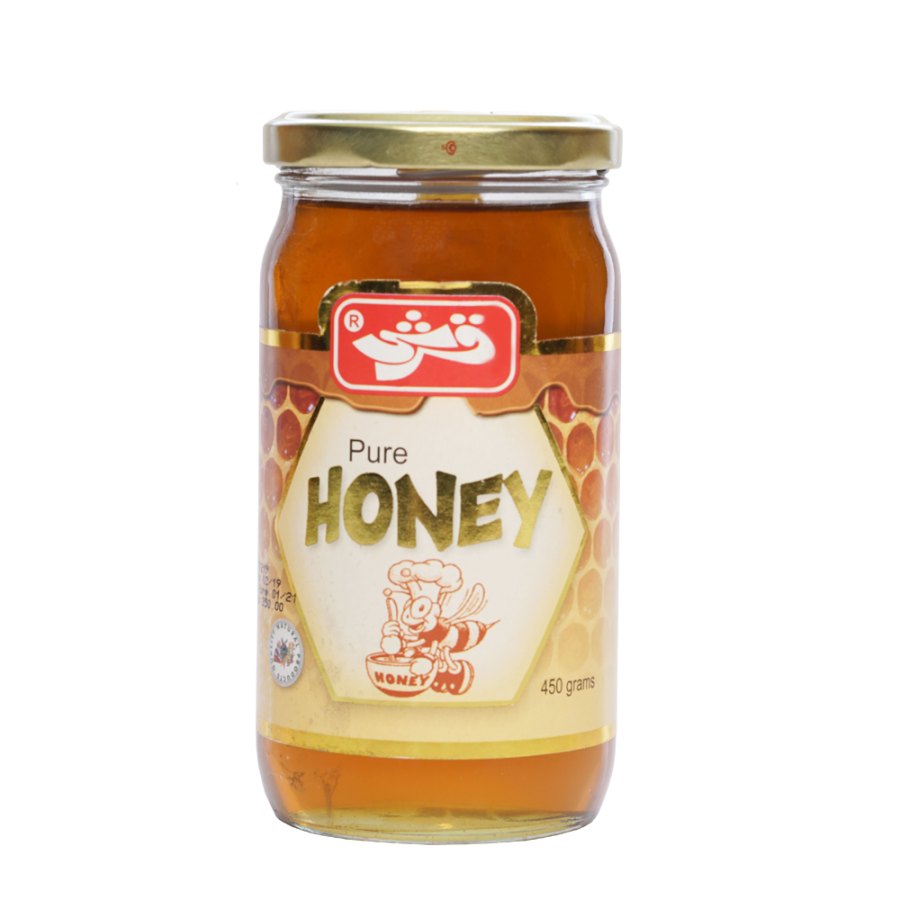
- With honey: half a teaspoon of seeds, lightly crushed, mixed with a teaspoon of pure honey every morning. This is the most popular way.
- In food: sprinkle on naan, paratha, salads and raita, or add to achar and daal tarka.
- As a qehwa: boil half a teaspoon of seeds in a cup of water for five minutes, strain, and add honey.
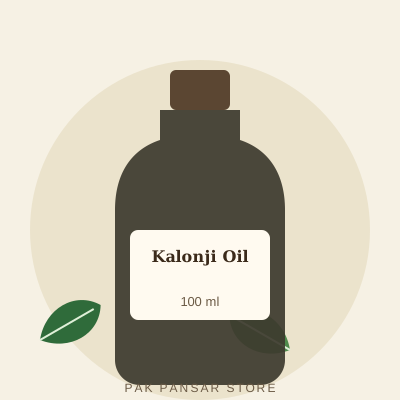
- Kalonji oil, taken by mouth: a quarter to half a teaspoon of kalonji oil with honey or warm water, once a day.
- Kalonji oil for hair and joints: mix with coconut or olive oil and massage into the scalp an hour before washing, or warm slightly and massage into stiff joints.
How to choose good kalonji
Fresh seeds are jet black and slightly matte, with a sharp, peppery smell when crushed between your fingers. Avoid seeds that look dusty, greyish or mixed with small stones. Good kalonji oil is dark golden, smells strong and spicy, and tastes slightly bitter. Store seeds in an airtight jar and keep the oil away from sunlight. At our store you can buy loose kalonji by weight or our own packed kalonji seeds, cleaned and checked by hand.
Who should be careful
Kalonji is safe for most adults in food amounts, but please ask your doctor or hakeem before taking it regularly if you:
- are pregnant or breastfeeding
- take medicine for diabetes or blood pressure (kalonji may add to their effect, so check your readings)
- take blood-thinning medicines, or have surgery planned in the next two weeks
- have kidney or liver disease
Kalonji oil can irritate sensitive skin, so test a small amount on your arm first, and do not give the oil by mouth to small children without advice.
The bottom line
Kalonji is a simple, affordable herb with centuries of use behind it and growing research to support it. Use a small amount every day, buy it fresh, and treat it as part of a healthy routine rather than a miracle cure. If you have questions about using kalonji alongside your own medicines, send us a WhatsApp message or book a consultation with Hakeem Ali Raza.
Ask Hakeem Ali Raza — book a consultation or send us a WhatsApp message.
This article is for general information about traditional herbal use. It is not a substitute for medical advice. If you are pregnant, breastfeeding, taking regular medicines or have a long-term illness, ask your doctor or hakeem first.