Khamira, Majoon, Itrifal, Laooq: A Simple Guide to Unani Medicines
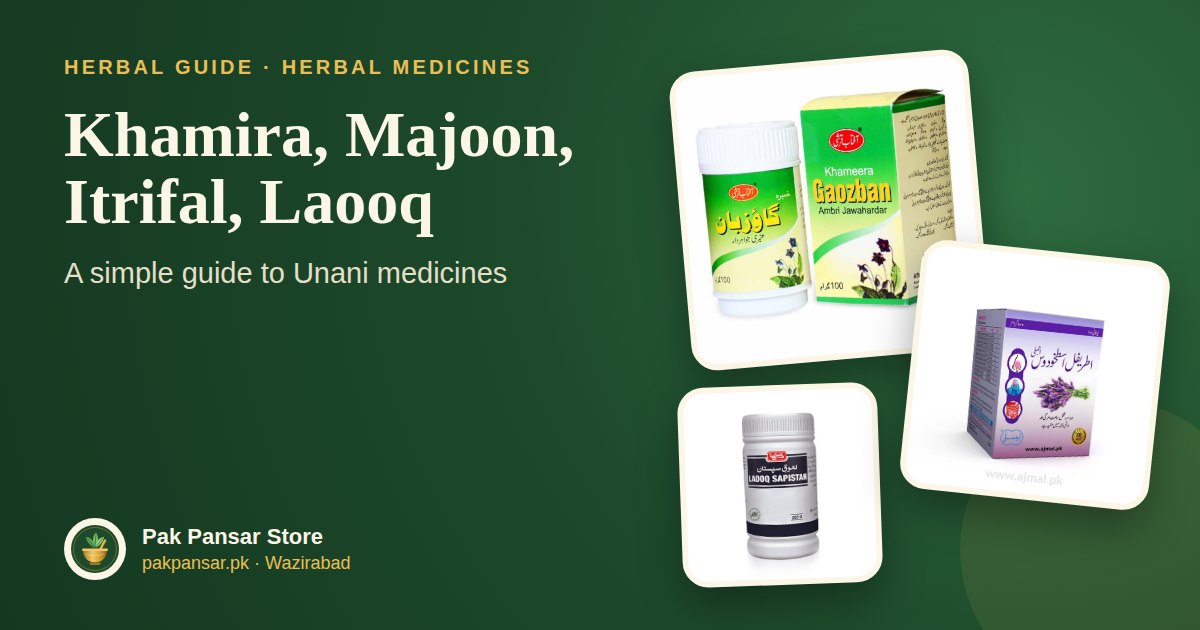
Walk into any pansar store and you will see shelves of jars and bottles with names like Khamira Gaozaban, Itrifal Ustukhuddus and Majoon Dabeed-ul-Ward. Customers often ask us: what is the difference between a khamira and a majoon? Is a Qarshi itrifal the same as an Ajmal one? This guide explains the main types of Unani (tibb-e-Unani) medicine in plain language, with the best-known examples we stock.
Why the names sound similar across brands
Most Unani medicines are made from classical recipes written down in the Unani pharmacopoeia centuries ago. That is why Qarshi, Hamdard, Ajmal and Aftab Qarshi all make a Khamira Gaozaban or an Itrifal Zamani. The base recipe is the same; the quality of herbs, taste and texture can differ a little from brand to brand. The first word of the name tells you the form of the medicine, and the second word usually tells you the main herb.
Khamira — soft, sweet tonics
A khamira is a soft, whipped preparation made from herbal extracts cooked with sugar or honey. Khamiras are mostly used as tonics.
- Khamira Gaozaban — traditionally used to strengthen the heart and mind and for nervousness and weakness. The "ambari" and "jawahar wala" versions contain extra precious ingredients. See Khamira Gaozaban Ambari Jawahardar.
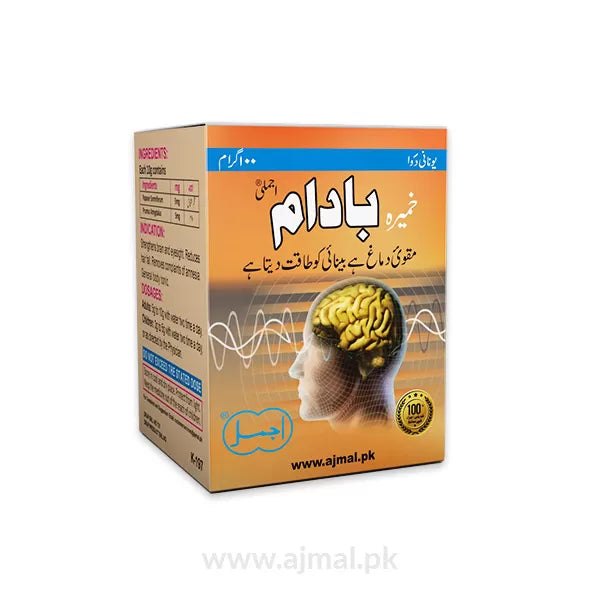
- Khamira Badam — an almond-based tonic traditionally given for brain strength and memory, popular with students. See Khamira Badam.
- Khamira Banafsha — traditionally used for cough, cold and sore throat.
Majoon — herbal pastes
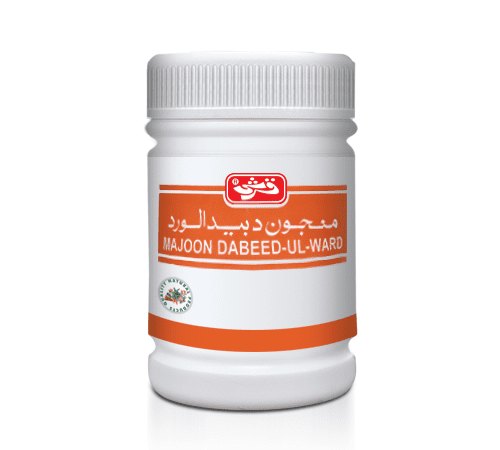
A majoon is a mix of powdered herbs blended with honey or sugar syrup into a thick paste. Each one is made for a specific purpose. For example, Majoon Dabeed-ul-Ward is traditionally used for the liver and stomach, and Majoon Suranjan for joint pain.
Itrifal — based on the three myrobalans
Every itrifal is built on three fruits — harr, baherra and amla (the same trio known elsewhere as triphala) — plus other herbs.
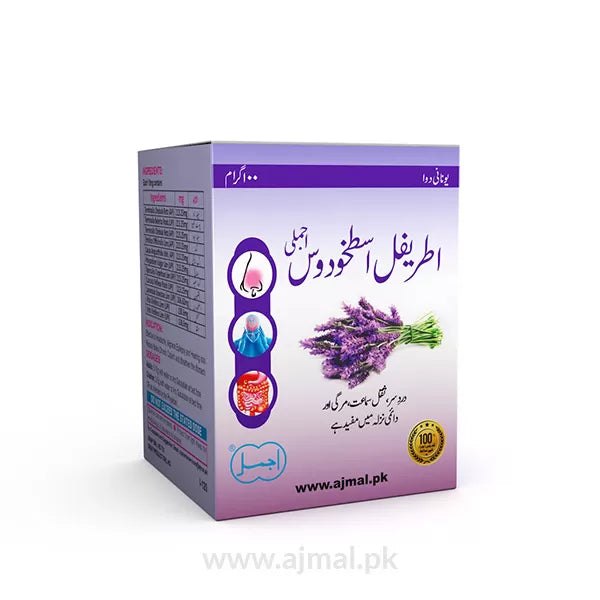
- Itrifal Ustukhuddus — traditionally used for nazla, catarrh and heaviness in the head.
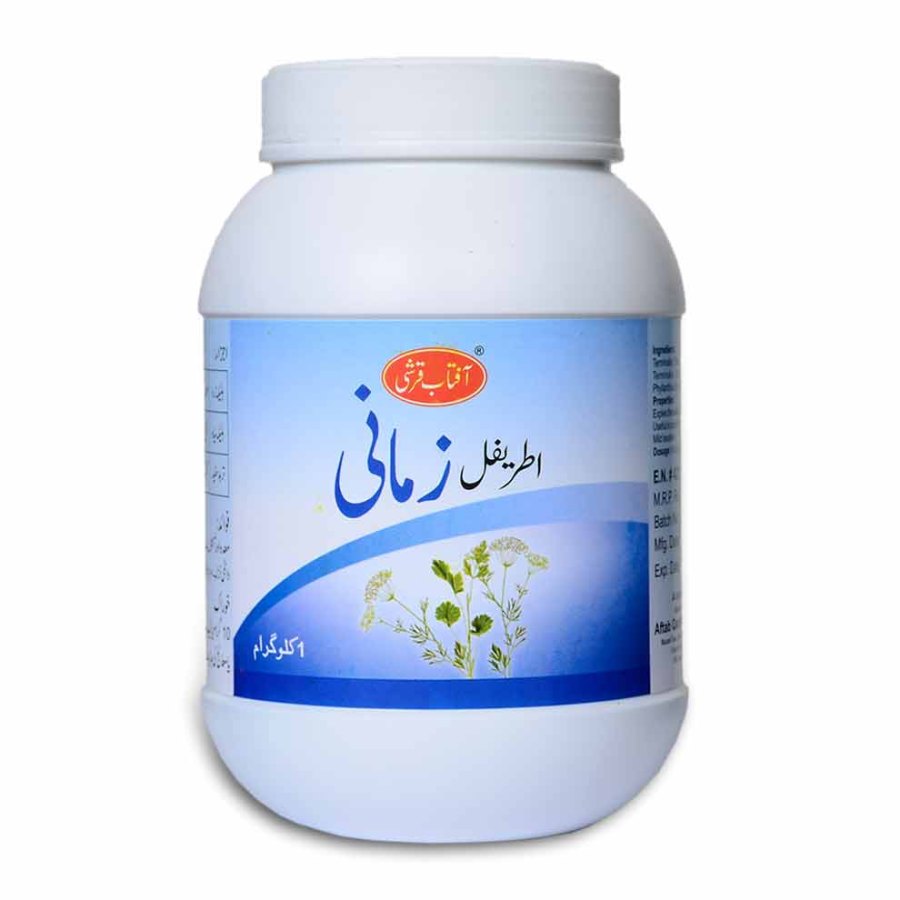
- Itrifal Zamani — traditionally used as a gentle remedy for constipation.
Jawarish — for digestion
A jawarish is a digestive paste, usually taken after meals. Jawarish Amla is a well-known one, traditionally used to strengthen the stomach and improve digestion.
Laooq — to lick for cough
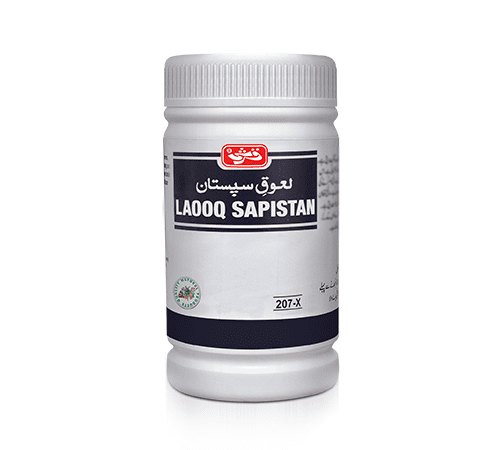
A laooq (also written lauq or lauooq) is a thick, honey-like linctus that you lick slowly from a spoon so it coats the throat. Laooq Sapistan is traditionally used for cough and catarrh, Laooq Badam for dry cough, and Laooq Katan for cough with phlegm.
Sharbat, arq and qurs
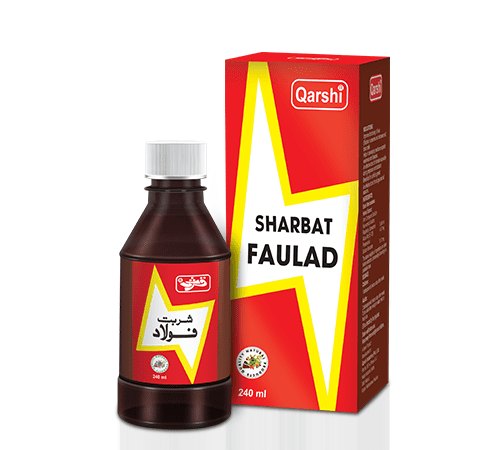
- Sharbat — medicinal syrups, such as Sharbat Unnab for cough, Sharbat Bazoori for a cooling effect on the urinary system, and Sharbat Faulad, an iron tonic.
- Arq — herbal waters made by distillation, such as Arq-e-Gulab (rose water), Arq-e-Badiyan (aniseed water) and Arq-e-Podina (mint water).
- Qurs and habb — tablets and pills, the easiest form to carry and measure.
How to take Unani medicines safely
- Follow the dose on the jar or bottle. For khamiras and majoons this is usually about one teaspoon (5–10 grams) once or twice a day.
- Do not take several medicines for the same complaint at the same time.
- Most khamiras, majoons and sharbats contain a lot of sugar or honey — if you have diabetes, ask a hakeem for a suitable alternative.
- Some formulas are not suitable during pregnancy or for young children. Ask before giving them.
- Check the expiry date and store jars closed, in a cool place away from sunlight. At our store we track batches and expiry dates for every medicine we sell.
If you are not sure which khamira, majoon or sharbat is right for you, bring your question to our store near Lahori Gate, Wazirabad, send us a WhatsApp message, or book a consultation with Hakeem Ali Raza. We stock Qarshi, Ajmal and Aftab Qarshi medicines, with delivery across Pakistan.
Ask Hakeem Ali Raza — book a consultation or send us a WhatsApp message.
This article is for general information about traditional herbal use. It is not a substitute for medical advice. If you are pregnant, breastfeeding, taking regular medicines or have a long-term illness, ask your doctor or hakeem first.